Major depressive disorder
For eligible adults who have not achieved satisfactory improvement from prior antidepressant medication in the current episode.
Review the depression meta-analysis ↗ Free consultation→
EXOMIND rTMS treatment · Calgary, Alberta
If depression—including postpartum depression—anxiety symptoms associated with depression, OCD, binge-eating concerns, menopause-related mood or cognitive symptoms, difficulty with focus or attention, poor concentration, or brain fog are affecting your work and daily life, you deserve more than being told to push through. Discover whether clinician-guided EXOMIND rTMS may belong in your personalized care plan.
01 · Understanding treatment
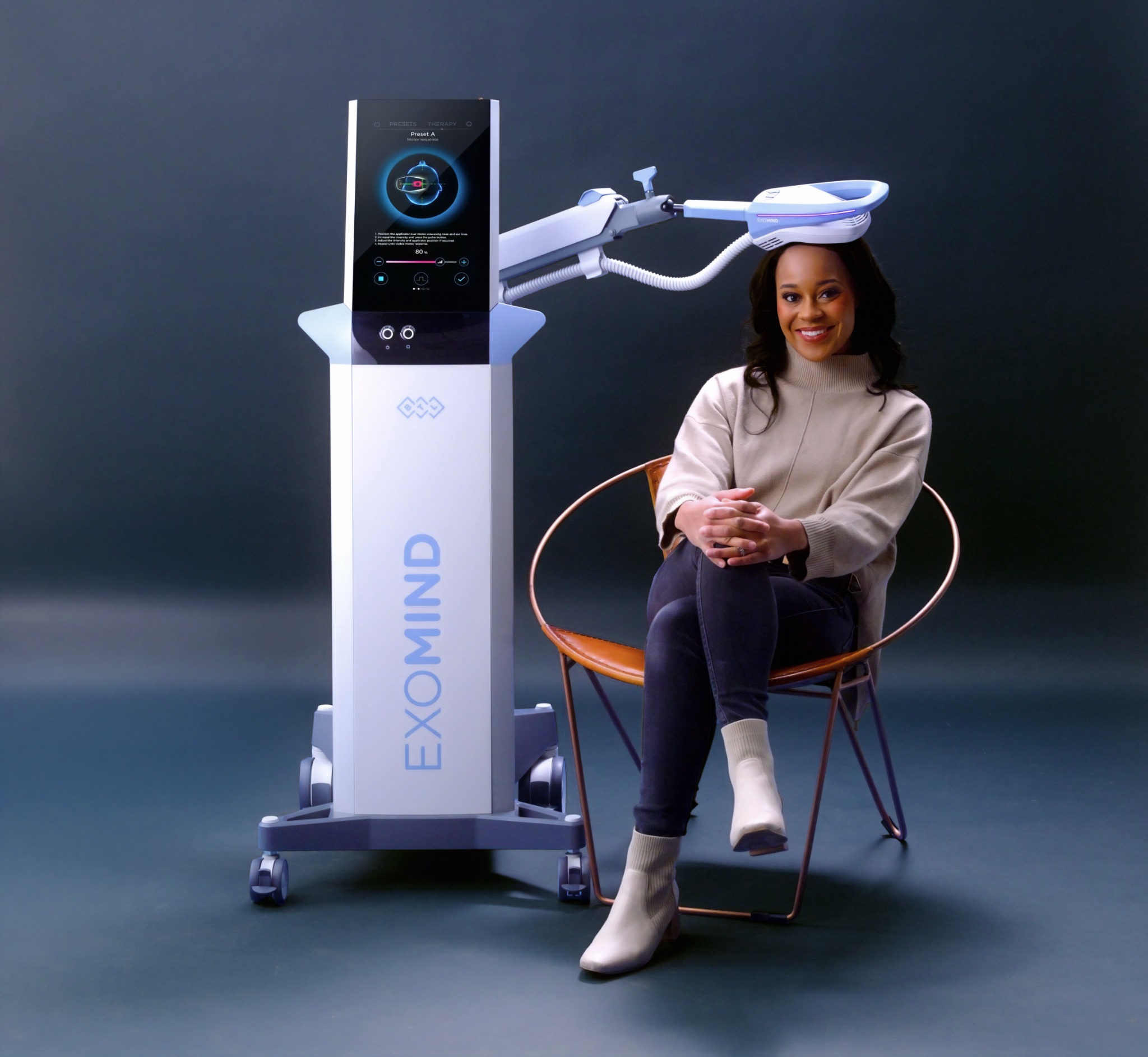
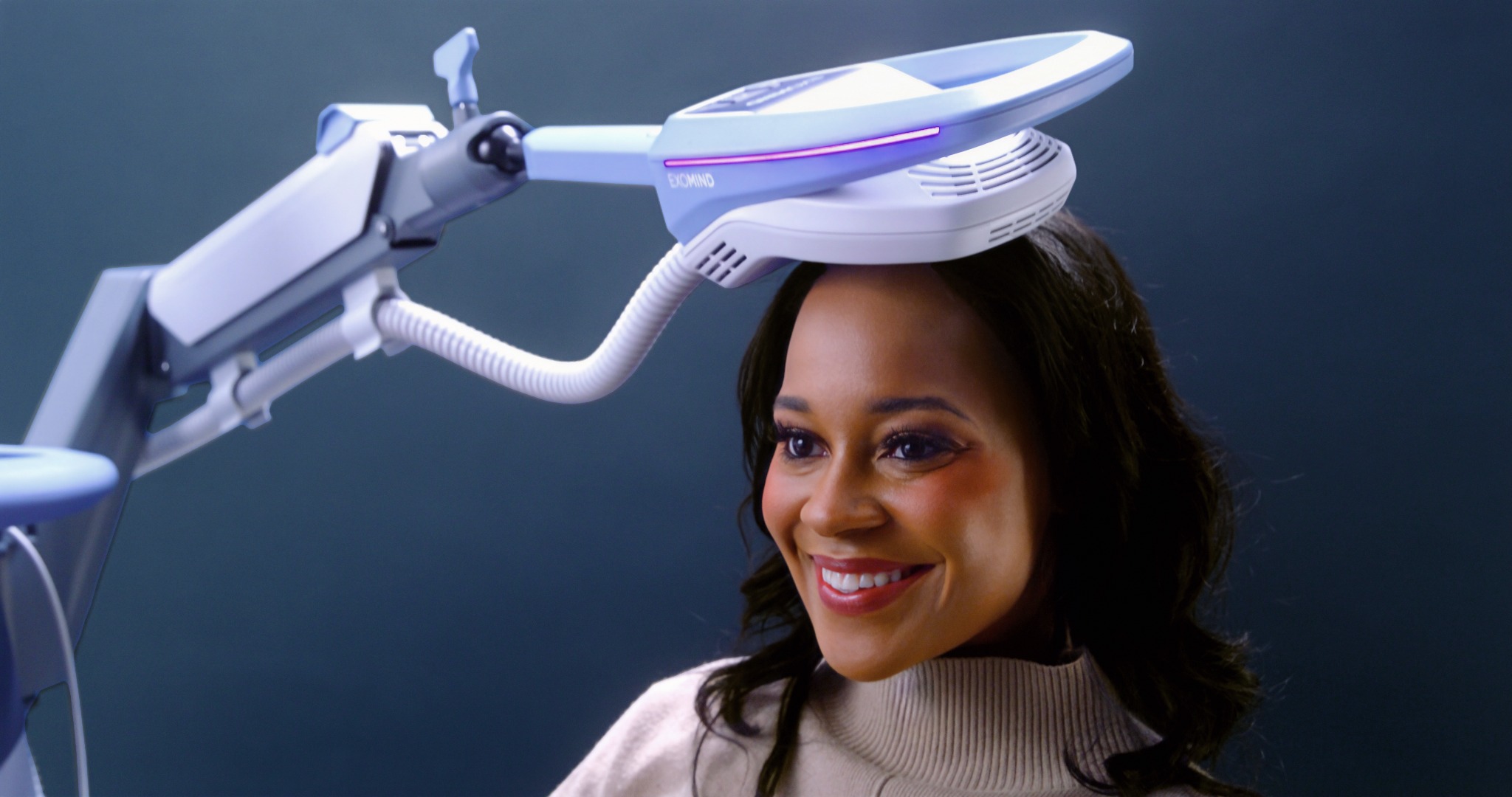
EXOMIND uses repetitive transcranial magnetic stimulation (rTMS) to deliver controlled magnetic pulses to targeted areas of the brain.
Repeated stimulation can modulate activity in cortical networks and is studied for its relationship to neuroplasticity—the brain's capacity to adapt its activity and connections. Treatment is non-invasive, requires no anesthesia, and is delivered while you remain awake.
EXOMIND is a Health Canada-licensed Class II medical device. Suitability, protocol and expected outcomes depend on individualized clinical assessment.
Ask whether EXOMIND may fit your needs→
02 · A different approach
There are times when everything feels heavier than it should. You are still working, managing responsibilities, and showing up for others—but your mind feels exhausted.
Persistent symptoms are not always about willpower. A clinical conversation can help clarify what may be contributing and what options are available.
03 · Licensed indications in Canada
The manufacturer's Canadian product information identifies the following licensed indications. Treatment remains subject to clinical screening, contraindications and individualized planning.
For eligible adults who have not achieved satisfactory improvement from prior antidepressant medication in the current episode.
Review the depression meta-analysis ↗Licensed in Canada for reducing symptoms of comorbid anxiety in patients living with major depressive disorder.
Read research on comorbid anxiety ↗May be used as an adjunct within a comprehensive treatment plan for eligible adults with OCD.
Review the OCD meta-analysis ↗A Health Canada-licensed indication delivered following clinical screening and individualized treatment planning.
Read the randomized clinical trial ↗Linked studies concern rTMS research generally. Study populations, devices and protocols may differ from EXOMIND treatment.
04 · Cognitive and life-stage concerns
Brain fog, mood changes and cognitive difficulties can be difficult to explain, but their impact is real. They can affect how quickly you think, how long you can concentrate and how confidently you function at work or at home.
These symptoms can have many causes. Our role is not to promise a one-size-fits-all solution—it is to help you understand whether EXOMIND may be a clinically reasonable option worth exploring.
These links show related rTMS research—not proof that EXOMIND treats every concern. Postpartum care requires individualized assessment, while menopause-specific, cognitive and long-COVID applications remain emerging, off-label or investigational.
Talk with us about your symptoms→When depression develops during pregnancy or after childbirth and deserves prompt, compassionate assessment and individualized treatment planning.
Read the peripartum depression systematic review ↗When mood changes, brain fog or cognitive difficulties emerge during the menopause transition and warrant careful clinical and medical assessment.
View the menopause pilot-trial protocol ↗When staying engaged, filtering distractions or returning to a task takes more effort than it should.
Review the ADHD research ↗When meetings, reading or complex work become mentally exhausting and difficult to sustain.
Read the sustained-attention findings ↗When thinking feels slowed, words are harder to retrieve or your mind no longer feels reliably clear.
Read the long-COVID case series ↗When planning, prioritizing, shifting between tasks or making decisions begins to feel overwhelming.
Review cognitive-effects research ↗When persistent cognitive fatigue or brain fog continues after COVID-19 and deserves a careful clinical review.
View the ongoing pilot trial ↗When high demands, chronic stress or mental fatigue are affecting clarity, performance and recovery.
Explore the neuroplasticity review ↗05 · Emerging and off-label care
If you are struggling with focus, attention, concentration, cognitive fatigue or long-COVID brain fog, a consultation can help you understand the available evidence and whether further assessment is appropriate.
Early research has explored rTMS for post-COVID brain fog and affective symptoms, and pilot clinical trials are continuing to study fatigue and cognitive symptoms. This area remains emerging. EXOMIND is not Health Canada-licensed specifically for long COVID, brain fog, ADHD or cognitive enhancement, and results cannot be guaranteed.
Off-label does not mean “without evidence” or “without clinical reasoning.” It means the decision must be individualized, transparent and made with informed consent after considering possible causes, medical coordination, potential benefits, limitations, risks and alternatives.
Request a confidential eligibility conversation→06 · Personalized care
Clinical assessment helps us move beyond a one-size-fits-all approach. Your concerns, history, functioning, possible medical contributors and treatment goals guide the recommendations made for you.
07 · Your treatment journey
Tell us what has changed—focus, clarity, energy, mood or daily functioning—and learn whether full screening is appropriate.
Review medical history, symptoms, contraindications, possible contributors, goals and evidence-based alternatives.
If appropriate, receive clinician-guided rTMS treatment using a protocol selected for your care plan.
Your response, comfort and functional goals are monitored throughout treatment.
Calgary treatment guides
Each guide explains what is established, what remains emerging and what a clinical consultation can clarify.
08 · Watch and learn
Learn how the technology works and hear personal perspectives on the treatment experience. Individual experiences do not predict your outcome.
Mechanism of action
Personal perspectives
09 · Frequently asked questions
We want you to understand what is established, what is emerging and what requires an individualized clinical decision.
Ask us your question→Yes. A systematic review and meta-analysis has examined rTMS for peripartum depression and found promising results, while also emphasizing the need for further research. Postpartum depression requires timely clinical assessment, including review of symptom severity, safety, medical history, breastfeeding considerations and available evidence-based treatments. EXOMIND suitability must be determined individually.
Research specifically examining non-invasive brain stimulation during the menopause transition is at an early stage. A randomized pilot trial has been designed to study cognitive, mood and neurophysiological effects, but a study protocol does not establish treatment effectiveness. Menopause-related symptoms can have several causes and may require medical, hormonal, psychological or sleep assessment. EXOMIND is not specifically licensed for menopause symptoms.
These concerns can arise from depression, anxiety, sleep disruption, ADHD, post-viral illness and other medical or psychological factors. rTMS influences brain networks involved in cognition, but EXOMIND is not specifically licensed in Canada as a treatment for attention or concentration problems. A consultation helps determine what may be contributing and whether rTMS is a reasonable off-label consideration within a broader plan.
Research into rTMS for long-COVID brain fog and fatigue is emerging. Early studies and ongoing clinical trials make this a meaningful area to discuss, but it remains investigational and off-label. We begin with clinical screening and may recommend medical coordination or other assessment before treatment.
Repeated magnetic stimulation can modulate activity in targeted cortical networks. Research on rTMS describes effects associated with neuroplasticity—the brain's capacity to adapt its activity and connections. This provides a scientific rationale for treatment, but it does not guarantee a particular cognitive or clinical result.
Off-label means a clinician is considering a treatment for a symptom or condition outside the device's specifically licensed indication. It is not the same as an approved use. The decision requires individualized assessment, informed consent and a discussion of the evidence, uncertainties, risks and alternatives.
The manufacturer's Canadian product information identifies major depressive disorder, reduction of comorbid anxiety symptoms in MDD, adjunctive treatment of adult OCD and binge-eating disorder. Eligibility and the appropriate protocol must still be determined clinically.
Do not stop medication without speaking with the prescribing clinician. EXOMIND may be considered alongside other forms of care, depending on your history, current treatment and clinical needs.
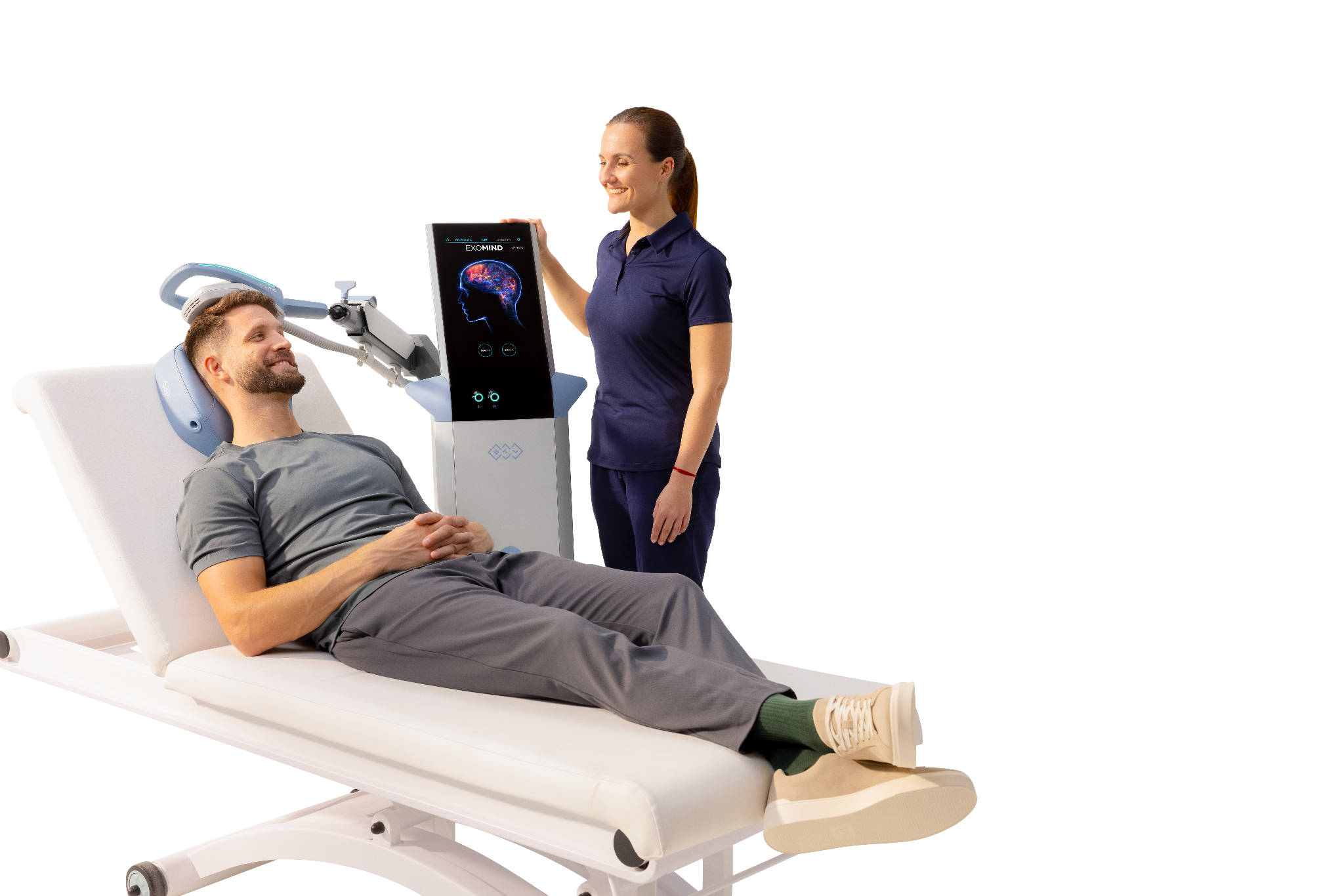
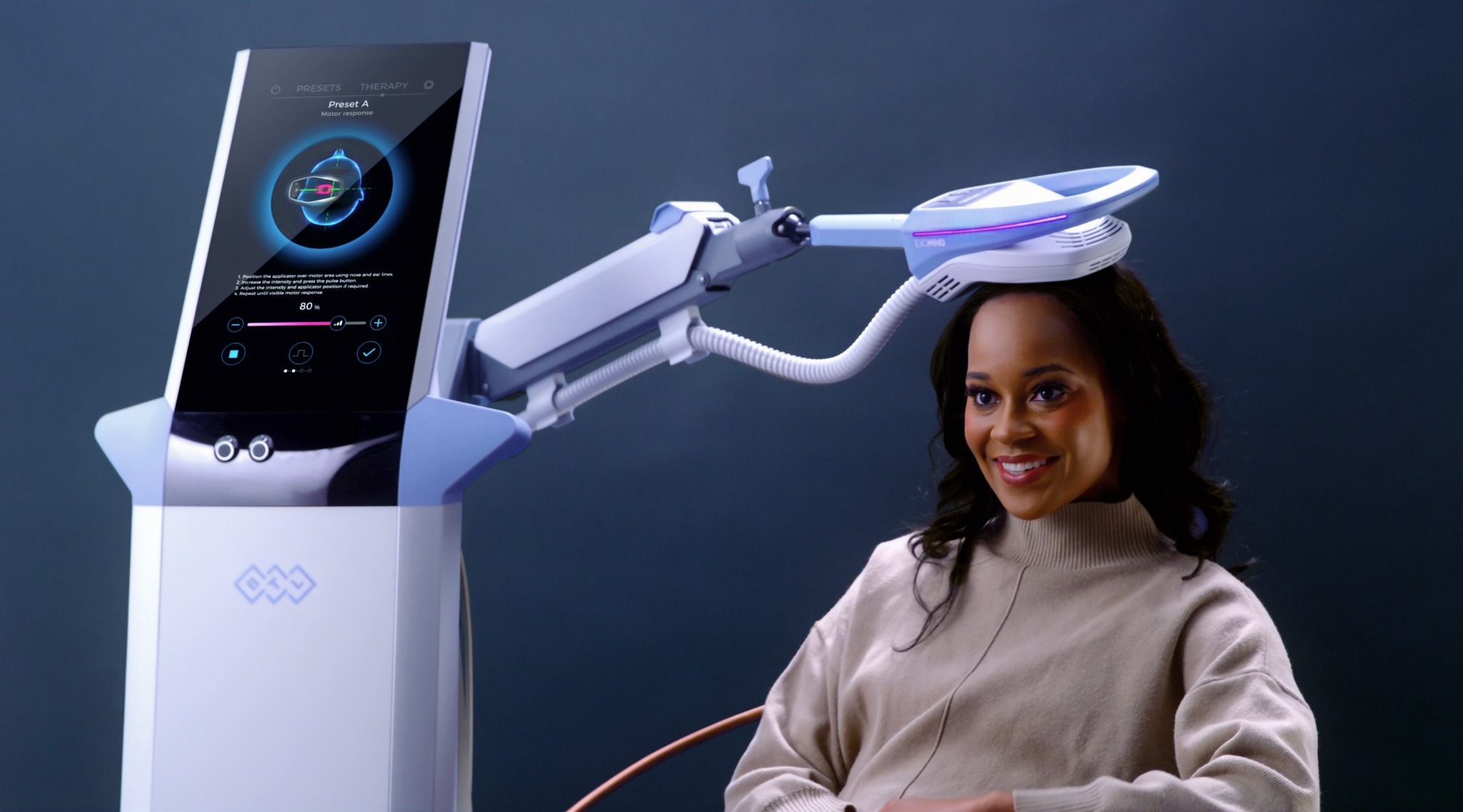
You remain awake while the applicator delivers magnetic pulses. Many people describe tapping or tingling at the treatment area. Temporary scalp discomfort or headache can occur, and risks and contraindications are reviewed before treatment.
Book a confidential 15-minute consultation. We will listen to your concerns, explain the difference between licensed and off-label care, and identify whether a full clinical screening is the appropriate next step.

Clinical leadership
Registered Psychologist · Clinical Neuropsychology
Dr. Courtney Dookie brings a clinical psychology and neuropsychology perspective to understanding how mood, attention, memory, executive functioning and brain health affect daily life.
At Calgary Mind & Wellness Clinic, his approach emphasizes careful assessment, individualized treatment planning and clear communication about established, emerging and off-label care. The goal is to help each person understand what may be contributing to their symptoms and whether EXOMIND belongs within a responsible, evidence-informed care plan.
Speak with our clinic→
10 · Why choose us
Clinical leadership: Dr. Courtney Dookie
Registered Psychologist · Clinical Neuropsychology
Care informed by psychology, neuropsychology, assessment and brain-based treatment.
We distinguish licensed indications, emerging evidence and off-label considerations clearly.
Your recommendations are shaped by your history, concerns, functioning and goals.
EXOMIND may be considered within a broader medical and mental-health treatment plan.
Clinical screening matters
Not everyone is eligible for rTMS. Tell your clinician about implanted metal or electronic devices, seizure or neurological history, pregnancy, medications, and recent health changes.
Temporary scalp discomfort or headache may occur. Benefits cannot be guaranteed, and your clinician will discuss expected benefits, limitations, alternatives, and risks for your situation.
Start with clarity.